Related Article
-

Munchkin Kitty Falls In Love With Cat-Sized Futon Sleeping Bag
-

Italian has a heart-and-body-warming experience at a Japanese Starbucks
-

Crows Reward Friendly Japanese Twitter User, Neighbors Not So Lucky
-

Ragdoll cat’s hiding place proves even fluffy kitties can pull off disappearing acts
-

Enjoy A Tranquil Getaway In An Inn Lit Only By Beautiful Lamps
-

Artist creates breakfast moment of Zen with awesome Japanese rock garden toast


Road signs are great way to learn how close or far off you are from your destination, but they can sometimes be a reminder that you may not be where you think you are.
Yoshiyuki Hiranuma (@yokkiren) recently shared an example of one in Japan that could very easily give someone unfamiliar with Shingo village that they are on a road directly out of the country.
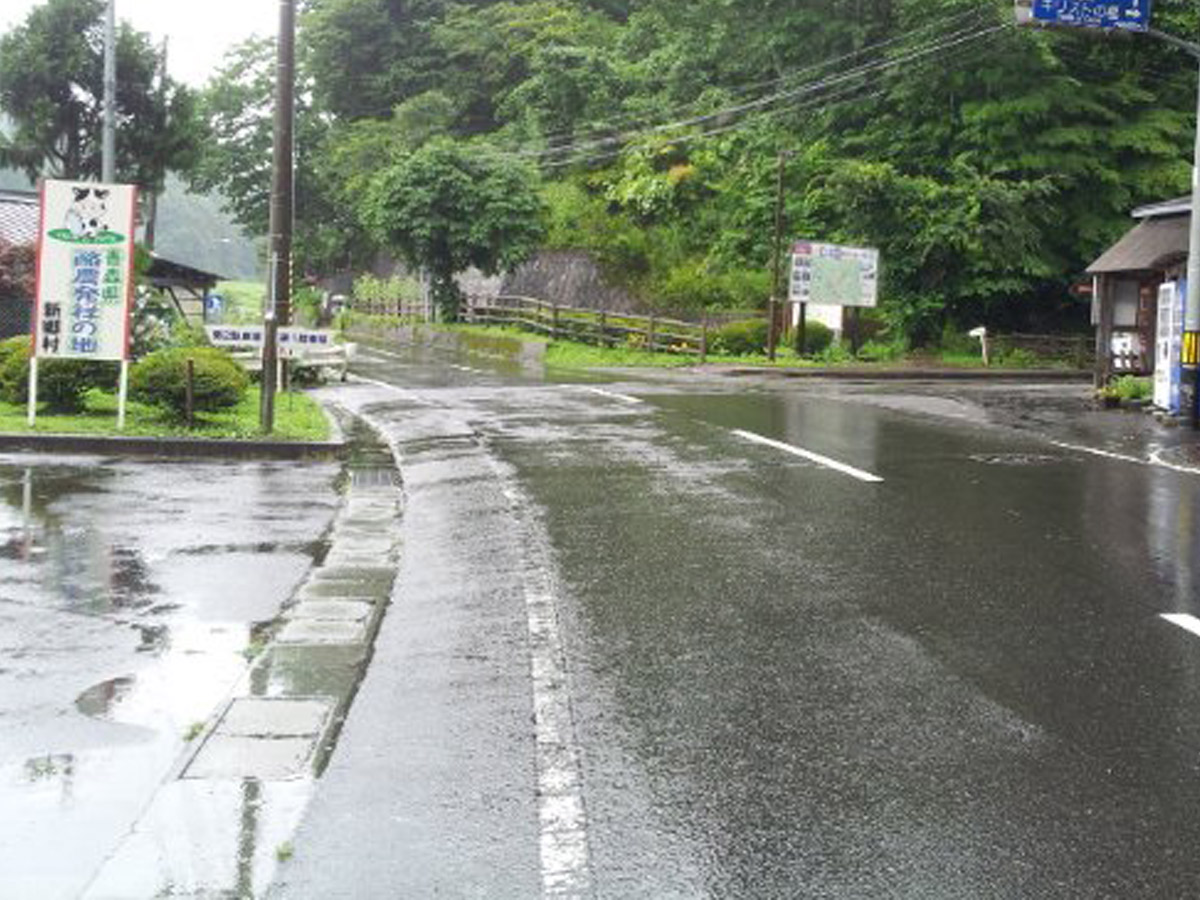
While driving nearby the village of Shingo in Aomori prefecture, Hiranuma noticed a sign he couldn't help but note the strangeness of. He shared a photo of it with the caption "A blue signboard on a road in Shingo village. This is probably the most "we're not in Japan anymore" road sign in Japan. It's too surreal lol."
That's because the famous travel spots listed on the sign are not typically associated with Japan...
Source: @yokkiren
Source: @yokkiren
The "Tomb of Christ" and "Pyramids" are very likely not tourist stops that many pencil into their itinerary when visiting Japan, or even Aomori prefecture. Those familiar with some of the legends surrounding Shingo village may be, however.
A local story tells that Kirisuto No Haka (Tomb of Christ) is said to be the true resting place of Jesus Christ. According to the legend, Jesus was not actually crucified at Golgotha, and his brother Isukiri took his place on the cross instead. Jesus, who had spent time as a young man in Japan studying Buddhism, escaped to Japan and settled in Shingo, where he lived until over the age of 100 as a married farmer with three daughters.
The story is generally not given much scholarly credibility, as it originates from the destroyed and debated Takenouchi documents which were later transcribed by cosmo archeologist Wado Kosaka. Still, a transcribed version of the story and museum are located near the rumored gravesite.
The "Pyramids" referenced by the sign are the nearby Ooishigami Pyramids, and also tied to a local legend that claims the pyramid-shaped formation of rocks predate those in Egypt. As you might imagine, that theory is also not exactly shared by many.
Still, the locations do exist, and as Hiranuma points out, it feels very surreal to see them marked as tourist spots in Japan, even if you were to drive by them on a daily basis.