Source: Keio Corporation
Tokyo Railway Installs “Nesting Boards” In Stations For Birds With No Other Options
- Source:
- Keio Corporation
Related Article
-

JR East releases first-ever rail pass for foreign residents in Japan
-

Engrish in Japan : The Name of Shops and Brands
-
We Went To Kamakura Owl’s Forest And Hung Out With Some Beautiful Owls
-

A hidden gem in Japan: Mother Bokujo Farm in Chiba- A place for all ages
-

Butterfly Pea-Flavored Jellyfish Tea Bag Will Turn Your Tea Into A Beautiful Blue Ocean
-

Discover Hokusai through performance and stage art; ‘The Life of HOKUSAI’


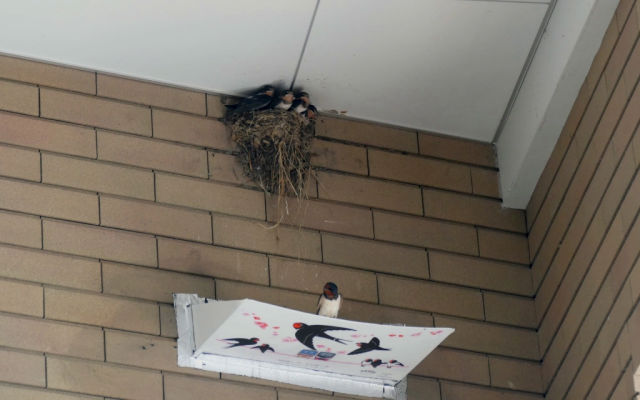
Japanese train station staff have a reputation for remarkable service and helping commuters in need, but starting in April stations on the Keio railway line will start extending that hospitality to our feathered friends. Stations along the railway, which spans from Shinjuku to the suburbs of Hachioji, will soon start implementing structures intended to help nesting swallows and also make for a cleaner commuting experience for travelers.
Source: Keio Corporation
A Keio news release cites research started in 2014 that states more and more swallows have been building nests in the corners and rafters of train stations due to suitable nesting homes in surrounding eras declining as countryside villages expand. Unfortunately, in addition to fluttering around in the station, the swallows tend to poop wherever they can, which has inconvenienced some commuters. As a solution, Keio is installing curved boards under nests--hopefully blocking some possible poop trajectories and also giving the swallow families more room to perch.
Source: Keio Corporation
As you can see above, the boards are done up with a cute illustration of a swallow family gathering together, so hopefully they'll get the picture. While it's hard to predict how effective the boards will be, Keio has stated that they hope it both keeps swallow poop out of people's way (and hair!) and also provides a cozy alternative to swallows who have nowhere else to build their nests. At the very least, it's an example of some of the well thought out conveniences and hospitality found in Japan, all while keeping the birds in mind.