Source: Murakami Kaimeido
Japanese company develops “floating image” no-touch touch panels to avoid direct button contact
- Tags:
- coronavirus / COVID-19 / Futuristic / Japan / Technology
Related Article
-
Cause Noodle Slurping Inception With Cup Noodle Gag Shirts
-

Exclusive Sakura Drinks, Desserts, Tumblers, And More At Tully’s Coffee Stores In Tokyo
-

Safety helmet turtles prove Japan has a capsule toy for everything
-

Leaves Of 4,000 Maple Trees Turn A Gorgeous Crimson At Aichi’s Kōrankei Valley
-
Make purrfect treats with the koneko kitty cat mold
-

Chauffeur service in Japan keeps cherry blossom viewing parties alive with luxury limo hanami


Response to the spread of the coronavirus as an ongoing global pandemic has seen not only a focus on social distancing, but extra caution exercised when coming into contact with commonly shared public items such as door handles, rails, and especially buttons.
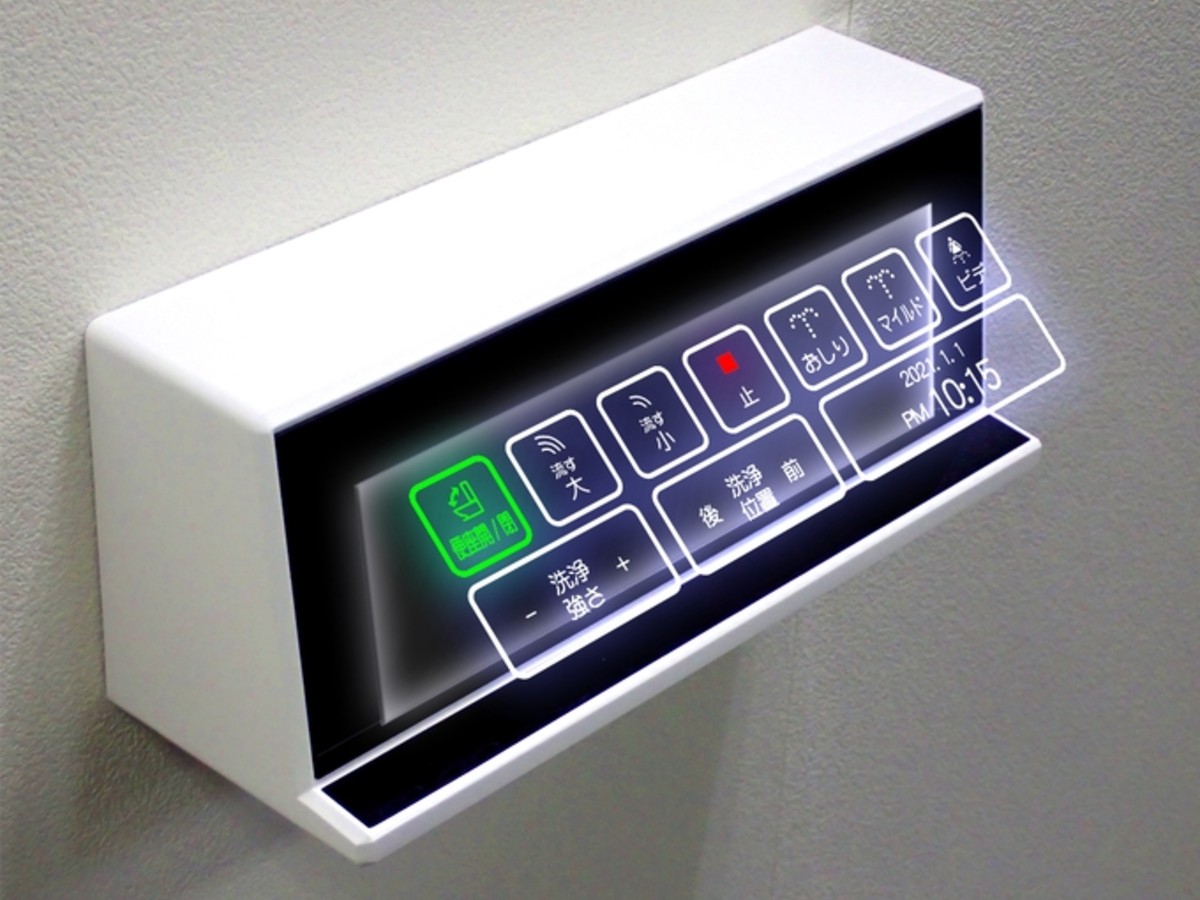
The development and proposed mass implementation by makers in Japan for a new "floating in the air interface", which has many on social media comparing it to science fiction-esque hologram imagery, may help in regards to the button problem, at least.
The new development is the braindchild of Shizuoka-based Murakami Kaimeido, an automotive parts manufacturer specializing in mirror technology, and Parity Innovations, a development venture company in Kyoto Prefecture. The two have developed what they are calling "Floating Pictogram Technology", an innovation that would install non-contact interface system for commonly used panels in elevators, ATMs, and public restrooms.
(Many public Japanese restrooms have touch panels for flushing, washlet control, water pressure, and a number of other functions.)
The concept would implement a highly visible airborne image system with a sensor so that users could simply hover their finger above the floating image of a button, avoiding actual physical contact.
Murakami Kaimeido already started providing samples for practical use, and is aiming for mass production in 2022 while making improvements.
The concept behind the developed system was put together as a response to the coronavirus pandemic, but now has legs as a practical implementation in a post-coronavirus world--with some nifty imagery to boot.